
A weekend of foresight, connection, and transformation!
AI-powered foresight tools, localized and resilient futures, and turning foresight into actionable change within organizations and communities. Participate in hands-on workshops, explore innovative frameworks, and connect with fellow futurists to co-create the futures you want to see.
Saturday Spring Gathering 9:30 am – 5 pm
Transformation with STILE
9:30-10:00 Auditorium
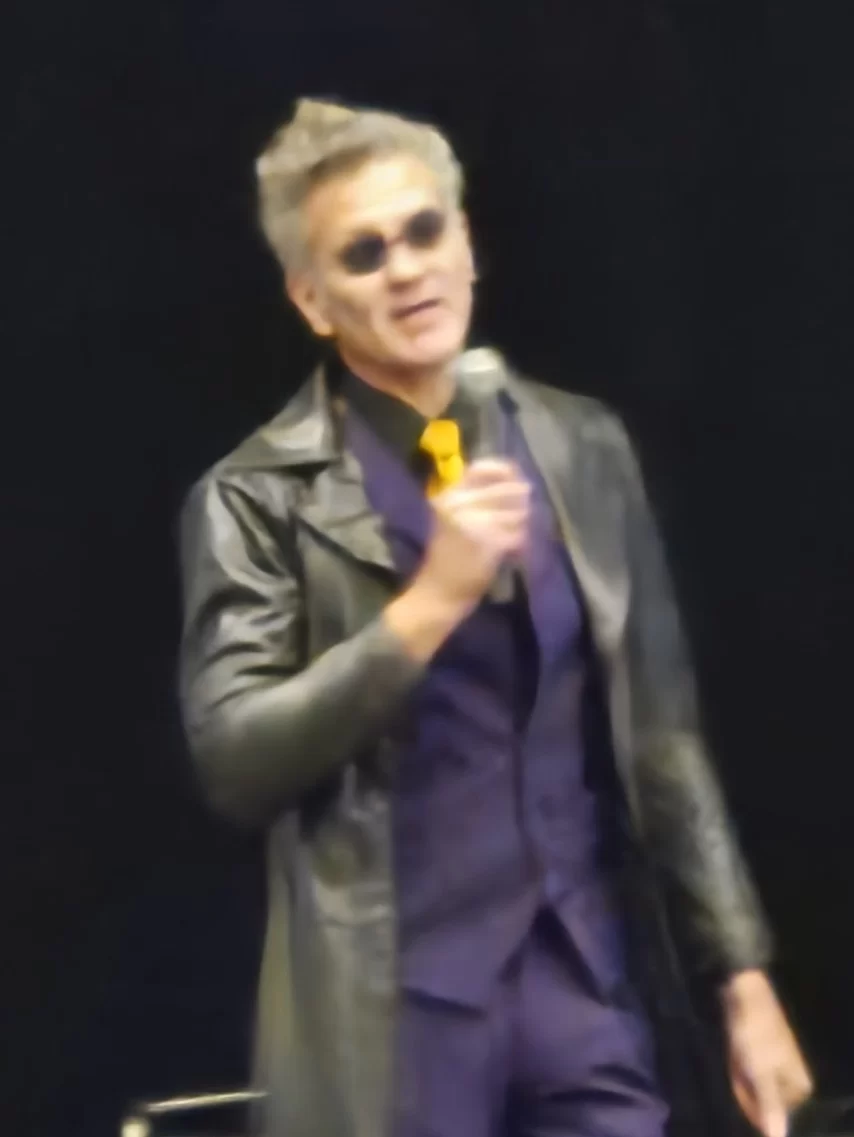
Transformation with STILE: The journey to transformation can be viewed in the context of the Three Horizons framework. But how do you know if the transformative change is happening? The STILE tool provides a structured set of questions to guide the monitoring of change as it unfolds (or doesn’t) across the Three Horizons in 5 categories (S=Social Acceptance, T=Technological Capability, I=Infrastructure, L=Legal, and E=Entrepreneurial will and resources). We believe this tool provides a efficient and reliable way to track the progress of transformation.
Dr. Andy Hines is Associate Professor and Program Coordinator for the University of Houston’s Graduate Program in Foresight and is also speaking, workshopping, and consulting through his firm Hinesight.
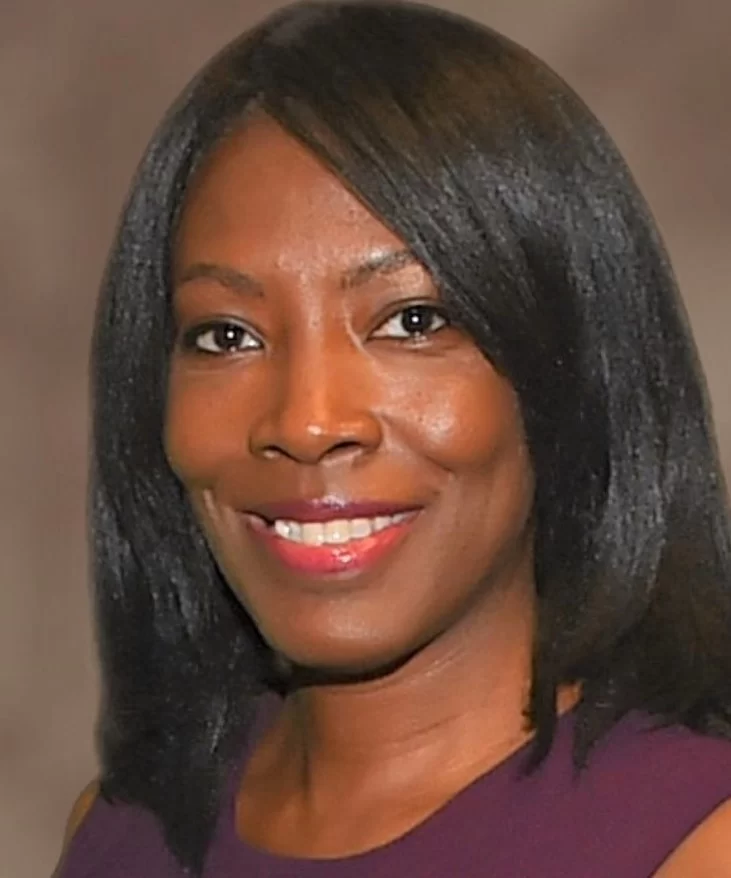
Mina McBride’s primary goal is to make foresight actionable. She uses her knowledge of behavior change and systems development to help organizations and individuals experience peak performance in business, health, and life by focusing on their strengths while utilizing proven psychological and futures studies methods to remove the barriers associated with meeting the demands of a rapidly changing world where continuous adaptation is a requirement. Her futures work has been published in foresight journals such as On the Horizon, World Futures Review, and Journal of Futures Studies. She also works professionally in the field at a Fortune 50 company where she leads the corporate foresight team in its use of quantitative and qualitative foresight methods to inform strategic planning processes. Mina holds a degree in Psychology and has a master’s in Foresight from the University of Houston.
Transformation in Practice: Navigating Obstacles
9:30-10 Classroom
Transformation in Practice: Navigating Obstacles: Futurists are naturally fascinated by change, including (or especially) deep, system-level transformations. And it is often clear to us that because the world is changing fast, the thing that will most serve our clients is to change along with it—sometimes at a transformative scale. But for clients, the prospect of transformation can be frightening. They can resist discussing futures that are probable but aren’t part of their “official future;” have a hard time seeing that a system has lost its fitness-for-purpose; or see transformation as impossible, unacceptably risky, or even unthinkable. This session explores what makes it hard for clients, organizations and communities to recognize when transformation is necessary, and then effect that transformation. The goal is to leave the session with practical approaches for futurists looking to help organizations engage with transformation when their systems are no longer fit for purpose — and to enrich that ecosystem of approaches by drawing on the collective knowledge of the group.
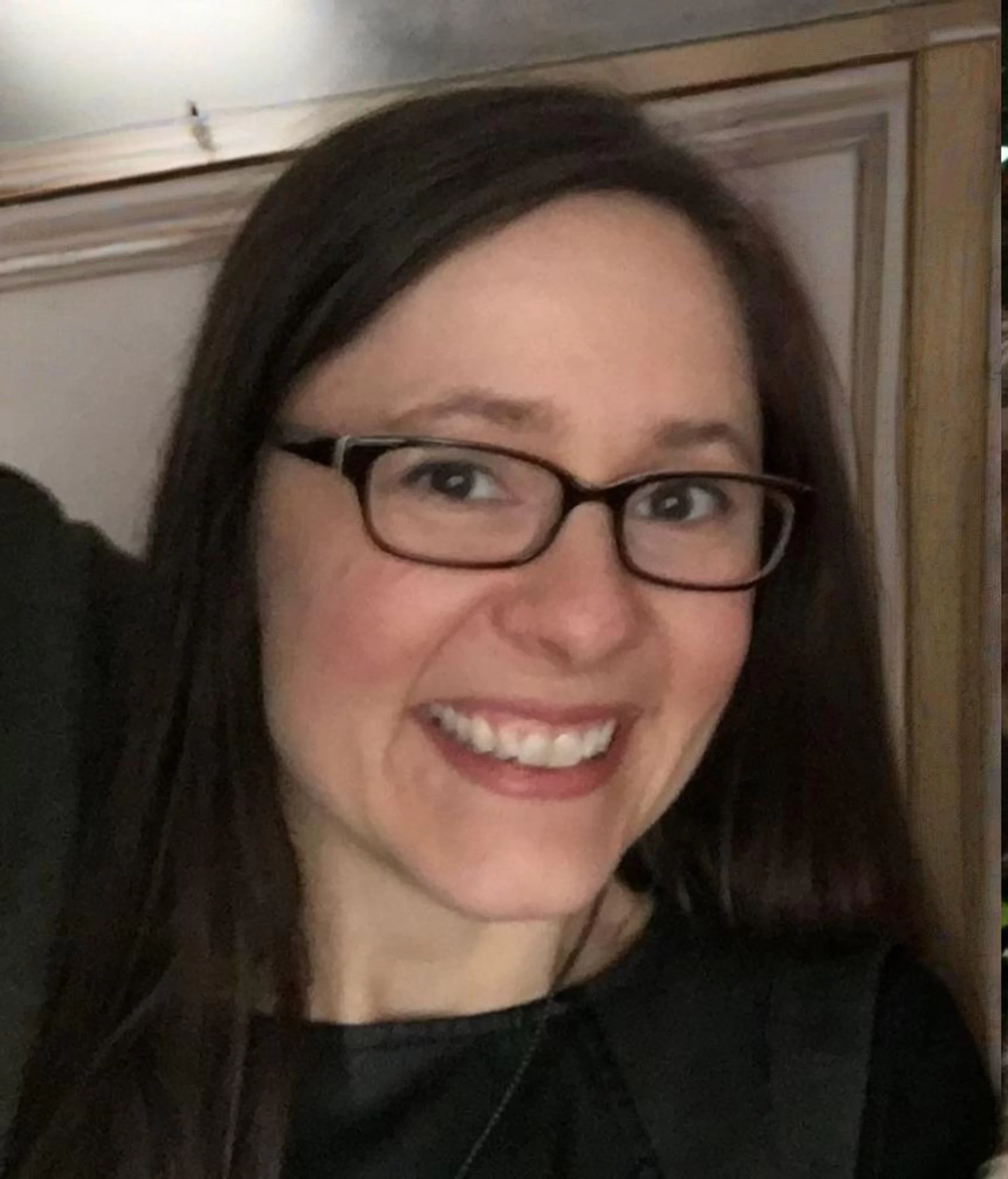
Karessa Torgerson is a transdisciplinary futurist focused on the futures of technology, biosciences, human connection and authenticity, and integrity. She has worked with organizations large a small, including UNICEF, Conceptia, and US Centers for Disease Control, to build foresight capabilities, and create more sustainable, joyful futures. She holds a BS in Environmental Sciences with a minor in Chemistry, and an MsC in Foresight from the University of Houston.
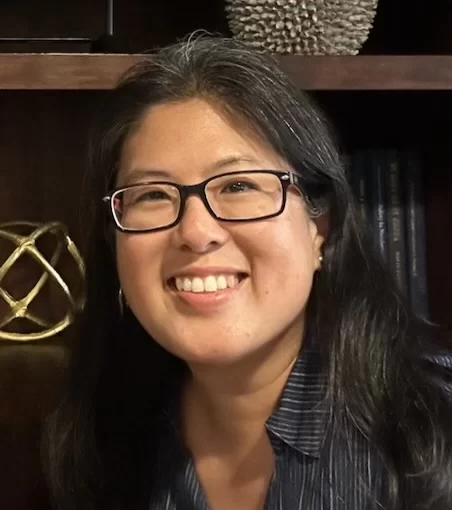
Dr. Lavonne Leong is Principal of Embr Futures, a firm specializing in adaptive and transformational futures, as well as foresight capacity building. She has worked with organizations and communities worldwide, including the United Nations Development Programme and the East-West Center. Dr. Leong serves on the editorial board of the Journal of Futures Studies and co-founded its Community of Practice. She holds an MSc in Strategic Foresight from the University of Houston and a DPhil focusing on narrative structures from the University of Oxford.
Transforming Workspaces: Designing Adaptive Environments for the Future of Human Performance
10:45-11:15 Auditorium
Transforming Workspaces: Designing Adaptive Environments for the Future of Human Performance: Workspaces are shifting from static settings into adaptive environments that actively shape cognition, wellbeing, and performance. As hybrid work and digital fatigue intensify, environmental design must evolve from passive infrastructure into responsive systems that support human needs in real time. This session explores how adaptive, human-centered technologies can serve as a practical pathway for transformation, using applied research and a smart multisource lighting system as a case study. Drawing on foresight methodologies and real-world prototyping, the presentation highlights signals driving change, barriers to adoption, and leverage points that organizations can use to create responsive workplace ecosystems. By reframing environments as active partners in performance rather than background infrastructure, this talk demonstrates how intentional design can enable healthier, more inclusive, and more productive futures of work.
Rachel Feine is a multidisciplinary designer and strategic foresight practitioner with a Master of Science in Industrial Design and a Graduate Certificate in Strategic Foresight from the University of Houston. Her work focuses on human-centered design, adaptive environments, and emerging technologies that support wellbeing and performance in the future of work. Rachel integrates research, systems thinking, and prototyping to translate foresight into tangible design solutions. She is currently seeking new opportunities to contribute to innovative, cross-disciplinary teams shaping future-focused products, experiences, and environments.
Communication Tools for Transforming Teams for Work in Foresight
10:45-11:15 Classroom
Communication Tools for Transforming Teams for Work in Foresight: Foresight tools and methods enable teams and organizations to anticipate and prepare for alternative futures. However, these tools are most effective when paired with communication and group-process skills that help individuals shift their focus from present constraints to future possibilities. Often taken for granted, such skills form the foundation for productive foresight work by fostering trust, surfacing skepticism, and enabling collective sensemaking.
This session introduces a set of communication and facilitation tools adapted from healthcare practice and applied to foresight contexts. These tools support effective group formation, productive dialogue under uncertainty, and shared accountability for futures-oriented work. Participants will explore practical methods for establishing rapport, eliciting constructive skepticism, facilitating diverse groups, and promoting accountability with clients.
Alan Howell, MD Master’s Student, Infectious Diseases Physician and Medical Educator
Martha Howell, EdD Certificate in Foresight, Healthcare Educator, Quality and Human Experience Consultant
Digital Foresight: Data, Tools, and AI
11:15-11:45 Auditorium
Digital Foresight: Data, Tools, and AI: AI is already transforming Foresight, with many practitioners using it to augment their current processes. I will show three interconnected developments: a general-purpose data model for Houston’s Framework Foresight process, a digital tool that implements this data model for Framework Foresight projects, and an AI overlay that assists in each step.
Tristan Markwell is a current student in the UH Foresight Masters program. He has nearly 2 decades of experience in Healthcare data, AI, and strategy.
The Kenotic Horizon: Institutional Relinquishment as Path to Regenerative Futures
11:15-11:45 Classroom
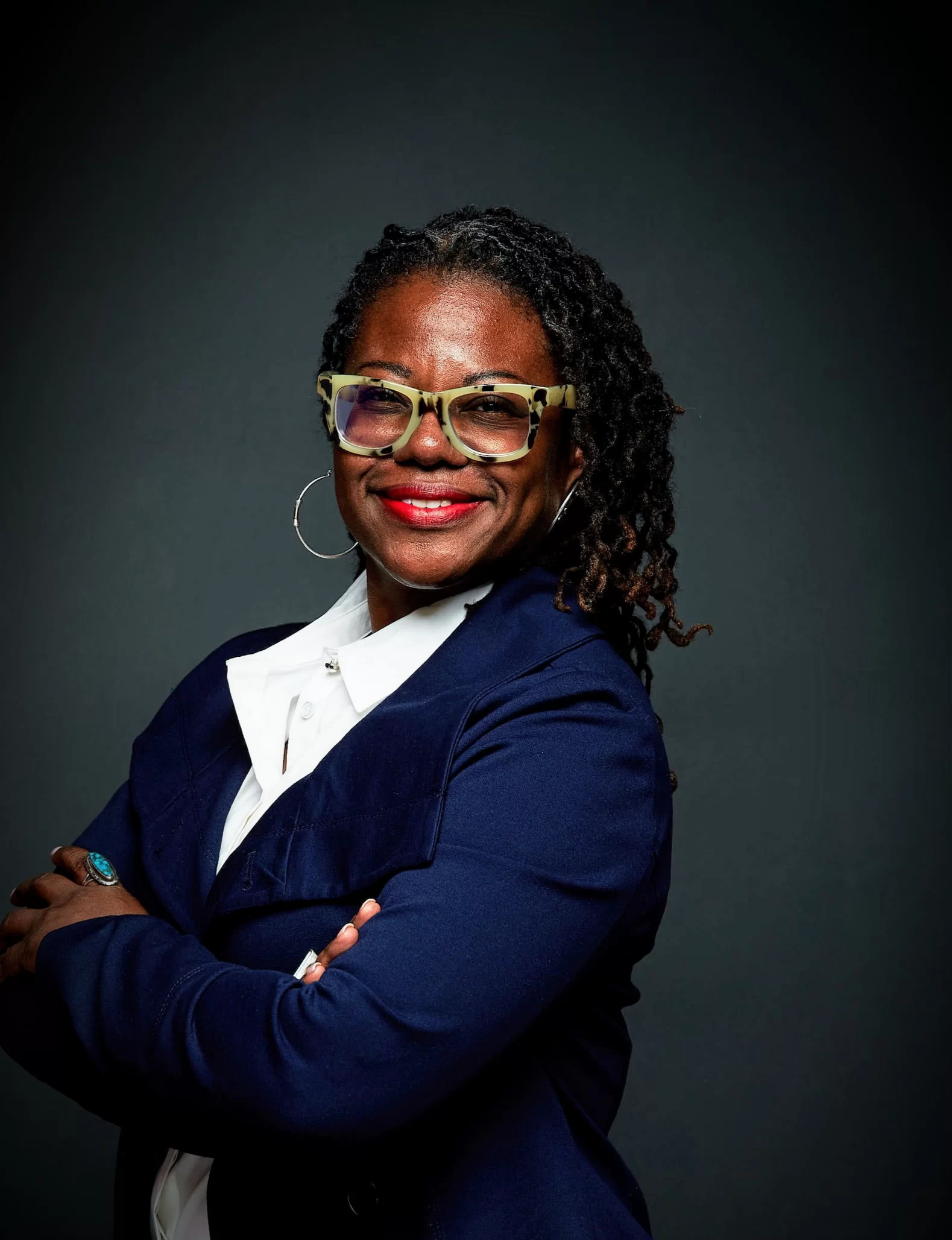
The Kenotic Horizon: Institutional Relinquishment as a Pathway to Regenerative Futures: The Kenotic Governance Framework (KGF) is a faith-based approach addressing faith based organization’s institutional “stuckness” driven by a grief-informed defense of in-group status. By grounding strategic foresight in the principle of Kenosis, or intentional self-emptying, KGF navigates the “Grief-Gap” between horizons. Through three core elements: Identity Decoupling, Organizational Hospicing of scarcity-driven mindsets, and Purposeful Relinquishment, the framework shifts the focus from institutional preservation toward communal flourishing. This session functions as a case-based dialogue to stress-test these concepts using ethnographic data from community healing initiatives and research on political grief. By metabolizing the disenfranchised grief that inhibits change, participants explore the psychological and ethical work required for regenerative systems to take root. This inquiry serves as a preparatory step for research to be presented at the 2026 Anticipation Conference Summer School in Italy.
Joy Jones is an interdisciplinary researcher and strategist specializing in the intersection of human identity, disenfranchised grief, and institutional systems. With a BA in Psychology and an MA in Leadership, she focuses on navigating institutional ‘stuckness’ by helping groups decouple their identity from failing systems and polarization narratives. Following a career in corporate America, Joy pivoted into entrepreneurship, founding tech businesses and currently serving as Principal at PiVotal Foresight Group and Chief Creative Officer at The Creative Exchange Studio. She is a graduate of the University of Houston Strategic Foresight certificate program and a doctoral candidate at Moody Theological Seminary. Her current research addresses the impact of political grief and identity loss on emerging adults, developing formation models that re-anchor identity in Christ and cultivate future-oriented hope amidst cultural polarization.
Getting Paid for Transformation: A Practical Framework for Selling Ideas Without “Selling”
11:45-12:15 Auditorium
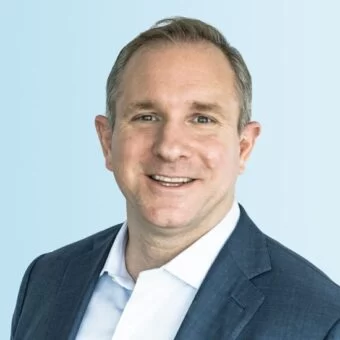
Getting Paid for Transformation: A Practical Framework for Selling Ideas Without “Selling”: Foresight practitioners are skilled at generating novel insights but often struggle to convert those insights into paid work. Adapted from the Challenger approach to complex sales, this session presents a practical framework for selling ideas ethically and effectively without relying on traditional sales tactics or personal self-promotion. Rather than “pitching services,” participants learn how to demonstrate value through reframing problems in ways decision-makers cannot easily ignore. The framework is especially suited to analytical thinkers and subject-matter experts who prefer evidence-based persuasion over charisma-driven selling. It can be used to secure consulting engagements, gain funding for initiatives, or turn exploratory conversations into paid projects. Attendees will leave with a clear, repeatable structure for presenting ideas in ways that create urgency, justify budget allocation, and lead to real commitments—enabling them to sustain their transformation work financially while increasing its real-world impact.
Ed Venit is an education futurist. He has nearly twenty years of experience researching the megatrends that shape the future of postsecondary enrollment and student success. Through this work, he developed sales pitches enabling the launch and growth of a $100M edtech platform. Ed is an alum of the UH Foresight Certificate program. He holds a Ph.D. in Evolutionary Biology from Duke University where he studied how division of labor evolved in marine invertebrates. He also got to teach a class about dinosaurs.
Transformation in the Era of Uncertainty: Pathways to Understanding
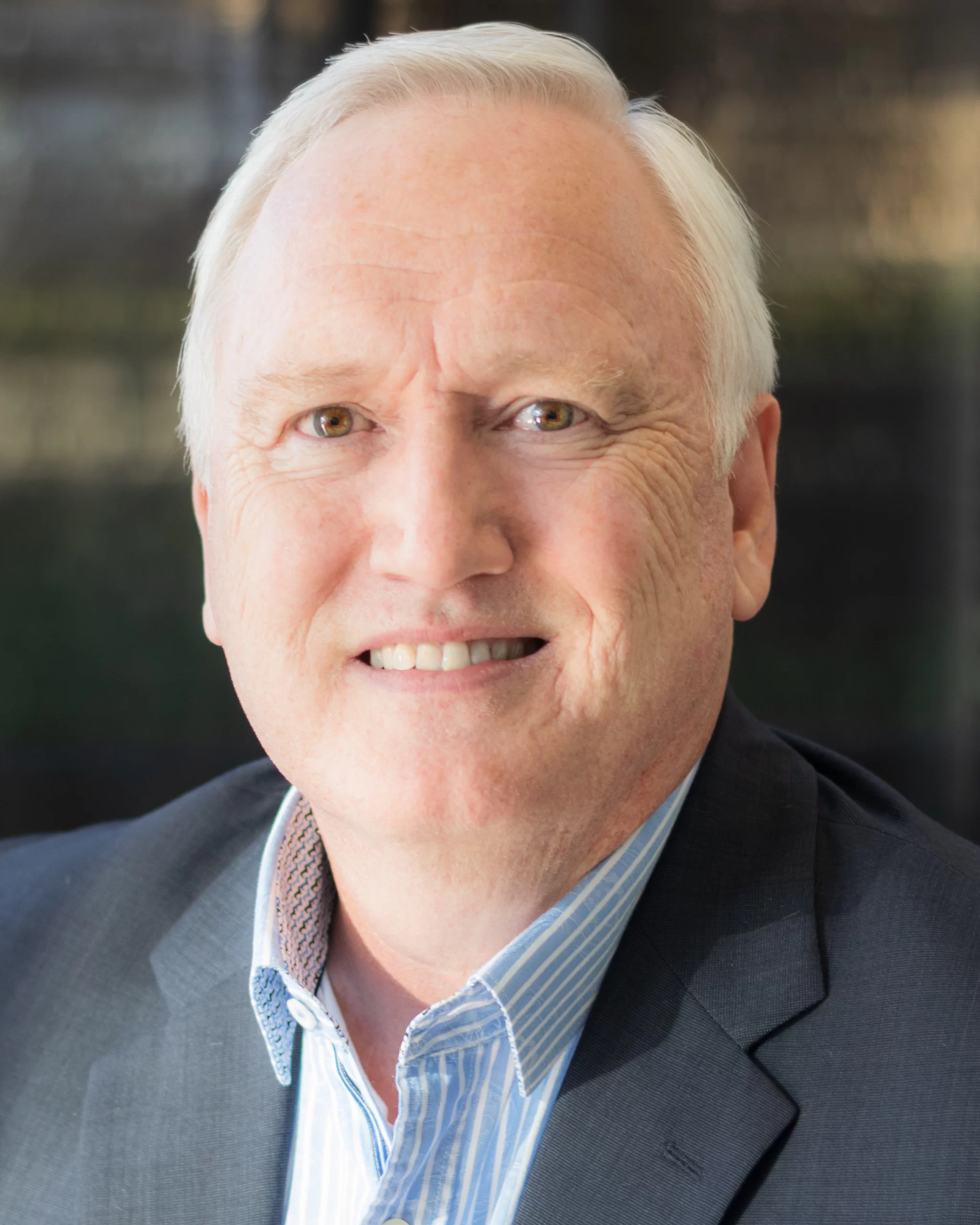
Transformation in the Era of Uncertainty: Pathways to Understanding: As Danielle Van De Velde quipped, “When everything is uncertain, everything is possible”. In an era of increasing uncertainty, when transformation has been identified as necessary, questions linger: “Transform to what?”, “How can I be confident that my efforts won’t just be throw-away?”, “How do I lead my organization through change when the path is so unclear, even to me as the leader. In this session Gordon combines his Change leadership, Uncertainty mastery, and Futures learnings to bring recommendations for how to approach change in an era of rampant uncertainty to maximize results, including stakeholder and team alignment, ownership, clarity of purpose, and enduring outcomes.
Gordon Withrow leads digital, agile, and organization transformation as Principal, Gordon Withrow & Company. With a deep background in bridging business and technology, Gordon has led the delivery of large scale transformations over several decades, both as a senior technology leader in Fortune 100 (Nationwide Financial Services) and in Global Consultancy (IBM). Gordon also serves as a board member (AI Freedom Alliance, One Vertical Tier, Kricker Innovation Hub at Shawnee State University), guest speaker & web caster (Project Bites, Project Management Institute), Managing Director of Cygnus Publishing, and has been developing and managing futures for Embodied AI for nearly 5 years.
Corporate LARPing: A Workshop on an Enterprise Operating Model for Times of Transformation
1-2 Auditorium
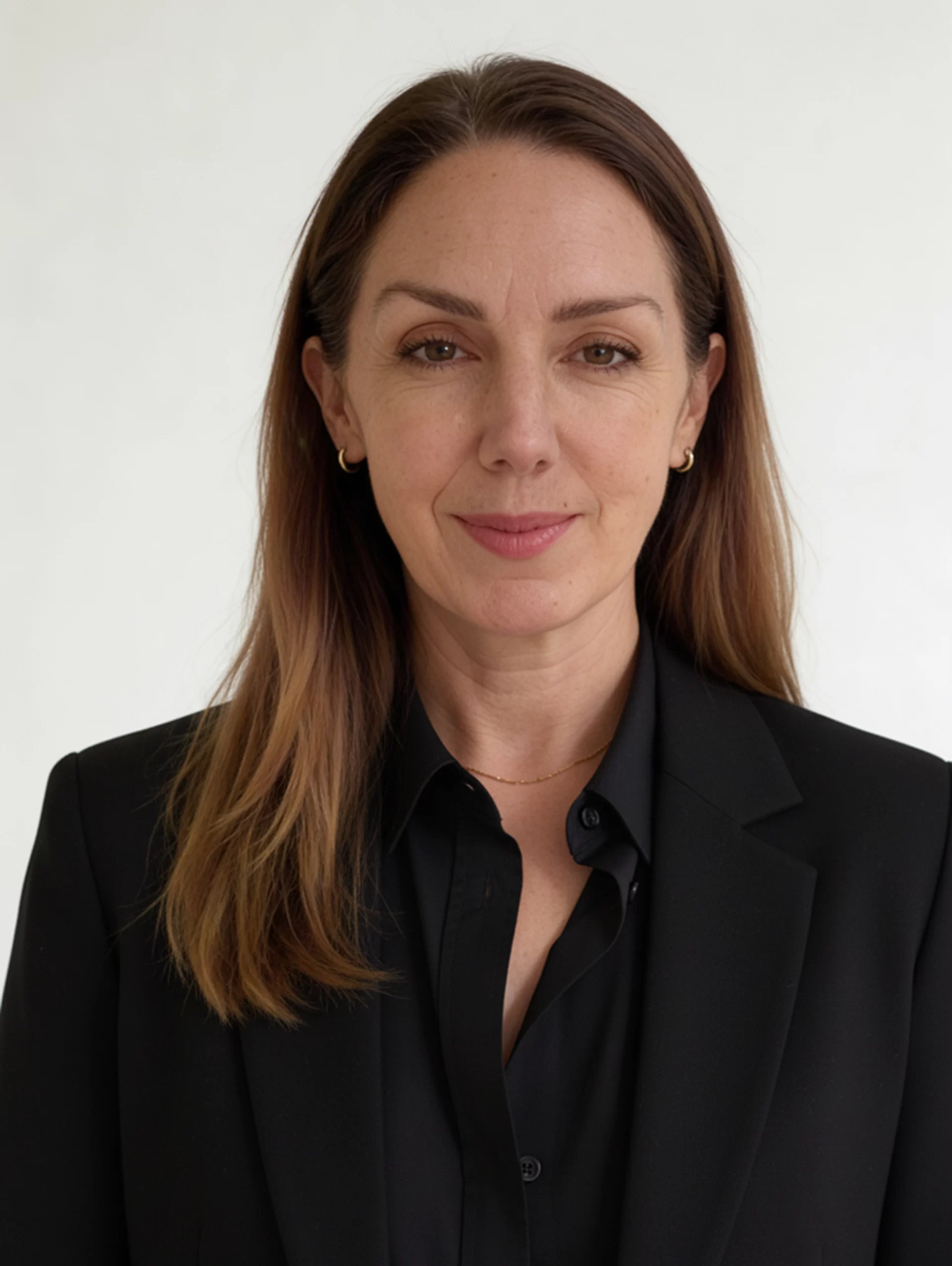
Corporate LARPing: A Workshop on an Enterprise Operating Model for Times of Transformation: Organizations say they want to be future-ready, but foresight rarely moves cleanly into action. The issue is not only the quality of futures thinking or action. The way organizations are structured fundamentally creates barriers to transformation. We have seen how foresight and futures has expressed differently when part of strategy, innovation, and intelligence/insights functions within organizations. Each function has its own needs, operational pacing, and levers for action towards organizational transformation, often resulting in different priorities, visions, and results. Strategy teams are often consumed by near-term fires and immediate decision cycles. Research and insights teams are surfacing new signals and patterns, while innovation teams are designing and testing solutions to measurable returns. The result is a recurring organizational tension: foresight may be valued conceptually, but it is often unclear where it most effectively lives in practice.
Kiran L. Carpenter is a strategic foresight and innovation design strategist helping complex enterprises and mission-driven institutions develop future-ready approaches to innovation, service transformation, and organizational adaptability. She helps leaders align strategy, governance, and operating models to turn foresight into practical capability, informed decision-making, and measurable value. Kiran’s business and digital transformation consulting experience spans health, insurance, aviation, nonprofit, hospitality, and public services. She now leads the Foresight & Futures Intelligence Lab (F2IL).
Dexter Lam is a strategist helping communities develop human-centered approaches to enabling meaningful innovation and holistic resiliency. He helps people and communities build capacities for inclusive collaboration, collective agency, and effective decision-making in navigating systemic and complex change. Dexter has worked with a wide variety of partners – including Fortune 500 executives, public sector leaders, community changemakers, and start-up founders – to align their collective purpose, strategies, and capabilities.
Transforming Participatory Foresight into Participatory Strategy
1-2 Classroom
Transforming Participatory Foresight into Participatory Strategy: KnowledgeWorks’ seventh anchor forecast, Charting a New Course for Education, explored how education systems might evolve over the next decade by adapting the UH Foresight Framework into a participatory research process. Now, using this forecast as a foundation, along with outputs from working sessions with educators, KnowledgeWorks has a forthcoming strategy guide in May 2026.
Maria Crabtree In her role as director of strategic foresight projects, Maria Crabtree (formerly Romero) makes substantive contributions to KnowledgeWorks’ national thought leadership around the future of learning and conducts key strategic foresight activities. She manages projects, directs and carries out strategic foresight research and collaborates with colleagues to author publications and other assets exploring the future of learning and its implications for education leaders. Maria holds a BS in Sociology from the Universidad Central de Venezuela, advanced studies in Communications from Universidad Católica Andrés Bello and an MS in Foresight from the University of Houston. She is an International Baccalaureate alum and a member of the Association of Professional Futurists and the Project Management Institute.
Jeremiah-Anthony Righteous-Rogers In the role of senior manager of strategic foresight, Jeremiah-Anthony supports the organization’s strategic foresight, analysis and writing on the future of learning. Moreover, Jeremiah-Anthony provides project management projects, participates in strategic foresight research and supports external engagements. Jeremiah-Anthony holds a BA in Mass Communication and a BA in African and African-American Studies from Louisiana State University and an MPAP from the American University. Jeremiah-Anthony is a member of the Association of Professional Futurists and the Project Management Institute.
The Brazil Signals Spotlight: Coming Together for a Brazilian Lunch in the Future
2-2:30 Auditorium
The Brazil Signals Spotlight: Coming Together for a Brazilian Lunch in the Future: The UNDP Strategy and Futures Team partnered with the UNDP Brazil Country Office and Brazilian Government to explore 16 themes (youth, education, healthcare, infrastructure, governance, etc.) for Brazil’s future 10 years from now. Using UH’s Framework Foresight, the team supported the development of the Brazil Signals Spotlight, which represents an ongoing process to introduce foresight capability and capacity within the Brazilian government and throughout the country. The session will review the participatory process used to develop it and the resulting document and Toolkit, including a game, Futures’ Served, and an exercise, Acting in the Jungle of Change, designed to ignite conversations.
Ingrid Furtado is a storyteller and futurist who integrates journalism with foresight expertise to help organizations and communities navigate change. A double award-winning futurist, she focuses on liberatory practices, personal futures, and sustainable pathways. Ingrid has led foresight projects as a consultant, project lead, and facilitator for organizations of all sizes. As a Futures Fellow at the United Nations Development Programme (UNDP), she applies her expertise to advance sustainable development. She holds an MS in Foresight from the University of Houston and a BA in Journalism from Pontifical Catholic University (PUC-Minas), Brazil.
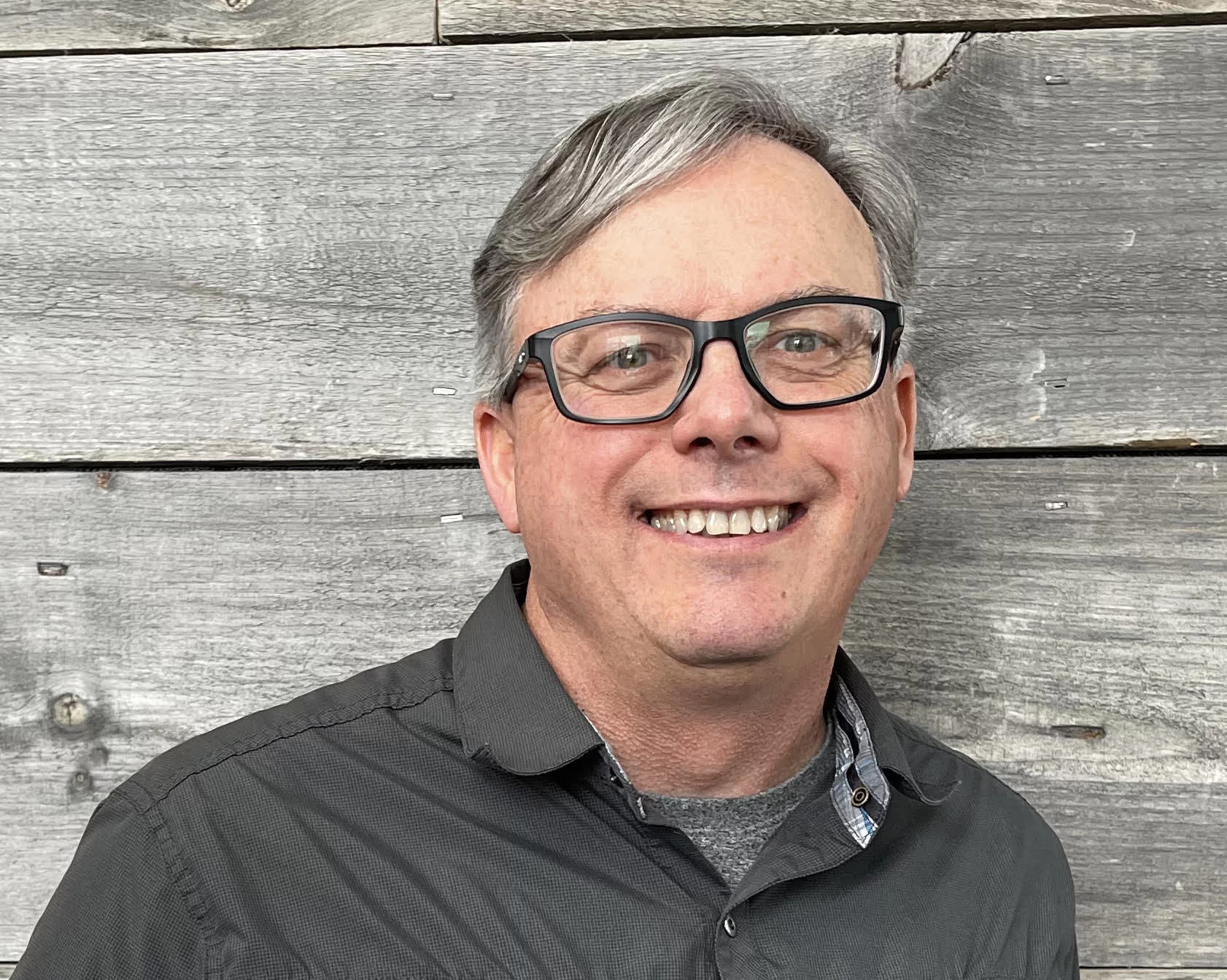
Stephen Dupont is a UNDP Future Fellow for 2025-2026. Based in Minneapolis-St. Paul, he earned his master’s degree in foresight from the University of Houston (2024). He also serves as editor of Compass, an online magazine published by the Association of Professional Futurists (APF.org) and serves on the boards of the APF and Teach the Future.
A Sense of Balance: Refining and Recalibrating Shared Futures
2-2:30 Classroom
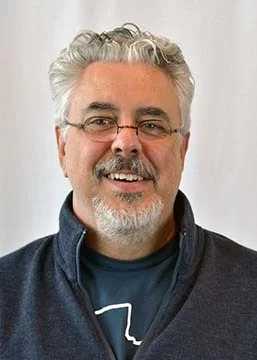
A Sense of Balance: Refining and Recalibrating Shared Futures: It is “easy” for an organization to focus on the here and now. The danger is by doing this they risk accidentally working towards a future that few want. Often what is missing is a bridge between short term planning/delivery and long term (five years or more in the future) strategic foresight. In this session we will introduce, discuss and use different tools and ideas that will help us plan and deliver to a known horizon while continually refining, recalibrating and communicating shared visions of the future. Pulling ideas from lean/agile development, management practices, human resources, organizational architecture, systems thinking, and strategic foresight, we will identify commonalities that will help forge a path from where we are today to a flexible/adaptable way of thinking about and working towards shared futures.
Anthony Akins is a 1993 graduate of the University of Houston-Clear Lake Studies of the Future program. Recently retired, he worked in the software development industry for over 40 years in a variety of roles and positions. Throughout his career he has blended short term planning and delivery with what has become known as Strategic Foresight. In the 21st century his focus has been on helping organizations of all sizes transform how they create value for their customers and employees. Throughout his career Anthony has dealt with the delicate balance of delivering value now while keeping an eye on the possible, probable, preferable, and un-preferable futures.
Small Moves, Big Shifts: Using the Theory of Minimalist Transformation to Empower Futurists as Change Agents
2:30-3 Auditorium
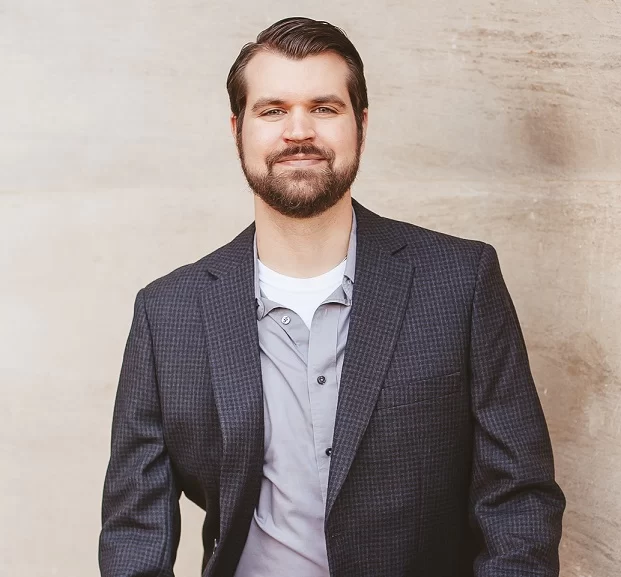
Small Moves, Big Shifts: Using the Theory of Minimalist Transformation to Empower Futurists as Change Agents: While foresight practitioners use their toolkits to help audiences find their preferred futures, those same tools can help drive the transformation to make them more likely. This session offers one approach to connect futures research and active change management by integrating the UH Foresight toolkit with the change theories of Kurt Lewin and the minimalist intervention strategies of James Wilke. Participants will explore a practical theory of transformation that treats futures research as a primary input for identifying high-leverage change points. By positioning the futurist as a change agent, this presentation provides a lens for spotting opportunities and offers a layered framework for driving change through focused, intentional effort.
Philip Jones is an AI Business Strategist at Salesforce, where he helps define approaches to implement AI technology grounded in human well-being and ethics. He is also a student of the UH Strategic Foresight Master’s Program and has been combining his work in AI, organizational change, and foresight to improve his approaches to each. He has over 15 years of experience in organizational and individual change management, with a focus on how people adapt to new technology and thinking. His focus in foresight has been applying futures and change to make people and teams more adaptable, and the role AI has in changing ways of thinking and relating to the world.
Preferred Futures: Transforming our Students from Passive Observers to Active Participants in Life
2:30-3 Classroom
Preferred Futures: Transforming our Students from Passive Observers to Active Participants in Life: High schools do an excellent job preparing students academically for the rigor of college or entrance into the work force. However, student mental health issues are a growing concern as they leave high school feeling unprepared for the future and adult life. If students had a vision of and a pathway to their desired future, would they feel better prepared for their journey, improving mental health? Preferred Futures, a high school / college class concept, emerged from a graduate studies project in 2024, and proposes to address those issues by combining life skills teaching with personal scenario development. This session will overview the structure of this semester-long class and is selfishly intended to stimulate discussion on the viability of this idea and identify unaddressed issues in advance of sharing with interested superintendents, school counselor teams, and education agencies.
Blake Frere is an early-career futurist with an interest in what lies ahead for public education, communities, artificial intelligence/automation, and the performing arts. Prior to his retirement in 2025 he spent 40 years immersed in manned spaceflight software and compiler systems, agile/scrum, and technology integration. His advanced degrees include an MA in Education, an MA in Computer Information Systems, and a recently completed MS in Foresight at The University of Houston. Since retirement his attention has turned to maturation of his graduate project and active engagement in the performing arts.
Making Foresight Stick: The Organizational Readiness Factor
3:15-4:15 Auditorium
Making Foresight Stick: The Organizational Readiness Factor: Why do some foresight projects catalyze genuine transformation while others gather dust in strategic plans? The gap isn’t always about the quality of our futures work—it’s about organizational readiness for the transformation that foresight demands. A survey will explore conditions that enable or inhibit foresight-driven transformation: organizational capacities, leadership mindsets, resource configurations, cultural conditions, and readiness gaps? Small groups will work with workshop diagnostic tools and intervention strategies. The session concludes by co-creating a practical transformation readiness assessment framework.
Ashley Chiarelli is a Senior Strategist, Foresight Practitioner, and Change Agent with 12+ years of experience making transformation real in complex organizations. She has facilitated transformation at scale, from a 4,700-person organizational move to creating change management frameworks deployed across 25 global offices, and has navigated organizational resistance across oil & gas, science & tech, government, and academic sectors. Ashley specializes in the gap between transformation and implementation—understanding the organizational conditions, resource realities, and cultural factors that determine whether strategic insights become lasting change.
Seeding Transformation: Encounters with Prosocial Futures
3:15-4:15 Classroom
Seeding Transformation: Encounters with Prosocial Futures: Prosocial futures is a practice-based approach designed to surface cooperative behaviors and orient practitioners and participants toward futures that privilege equity and human flourishing. Grounded in cooperation research that demonstrates the human tendency toward mutual aid under stress, the framework operates through three elements: authenticity (aligning personal values with professional practice), hope (evidence-based trust in human cooperative capacity), and agency (identifying one’s unique contribution to better futures). Applied to immersive futures encounters, prosocial futures functions as a studio for participants to practice a prosocial posture and to activate their innate agency to seed change, centering the ongoing practice of noticing who is harmed, who is missing, and where the participant’s skills and strengths might fill the gap. Through the intentional and guided identification of a self-shaped hole in any given future, participants rehearse an orientation toward justice that transfers back to the present, where needs may be less legible but where the urgency to act is pivotal.
Nicci Obert serves as the Research Director for the University of Houston Foresight program. Her research focuses on activating prosocial futures by developing methods for practitioners and participants to practice an orientation toward cooperation and the cocreation of better futures. She brings a background in nonprofit work, biology, and writing to the work of imagining and manifesting futures worth wanting.
Localizing the Future
4:15-4:45 Auditorium
Localizing the Future: Emerging signals show that the essential functions of industrial society—energy, production, health, and exchange—can increasingly be met through decentralized, commons-enabled systems rooted in local networks. This presentation explores how such approaches can both satisfy human needs and repair industrial-era damage while enhancing physical, economic, and spiritual well-being. It examines the key signals driving this shift, the gaps and blockers slowing progress, and pathways toward a resilient networked localism which can tackle wicked problems making solutions bottom-up instead of top-down.”
Tim Morgan is a Dallas–Fort Worth based educator and independent consultant specializing in strategic foresight and innovation. A member of the Association of Professional Futurists and a 2019 APF Emerging Fellow, he received a 2020 APF Most Significant Futures Work award for his research on automation and modes of ownership. A former systems engineer and IT analyst, he authors The Everyday Futurist, a blog exploring the evolving future of society and technology.
Feeling Our Way Forward: Affective Foresight as a Pathway to Transformation
4:15-4:45 Classroom
Feeling Our Way Forward: Affective Foresight as a Pathway to Transformation: Understanding emotion is a key pathway to transformation. Drawing on neuroscience, cognitive psychology, and foresight practice, Seth Harrell and Megan Anderson introduce the core principles of Affective Foresight and what emotionally intelligent futures work looks like. Humor is also explored as an underutilized and powerful weapon for transformation that lowers our defenses, expands our plausibility horizons, and makes surprising futures feel survivable.
Megan Anderson is a practitioner-researcher at Deloitte’s Office for the Future whose work focuses on how organizations can develop more emotionally intelligent approaches to anticipating and navigating change. She created an Affective Foresight workshop series, bringing the framework into applied organizational and strategic contexts.
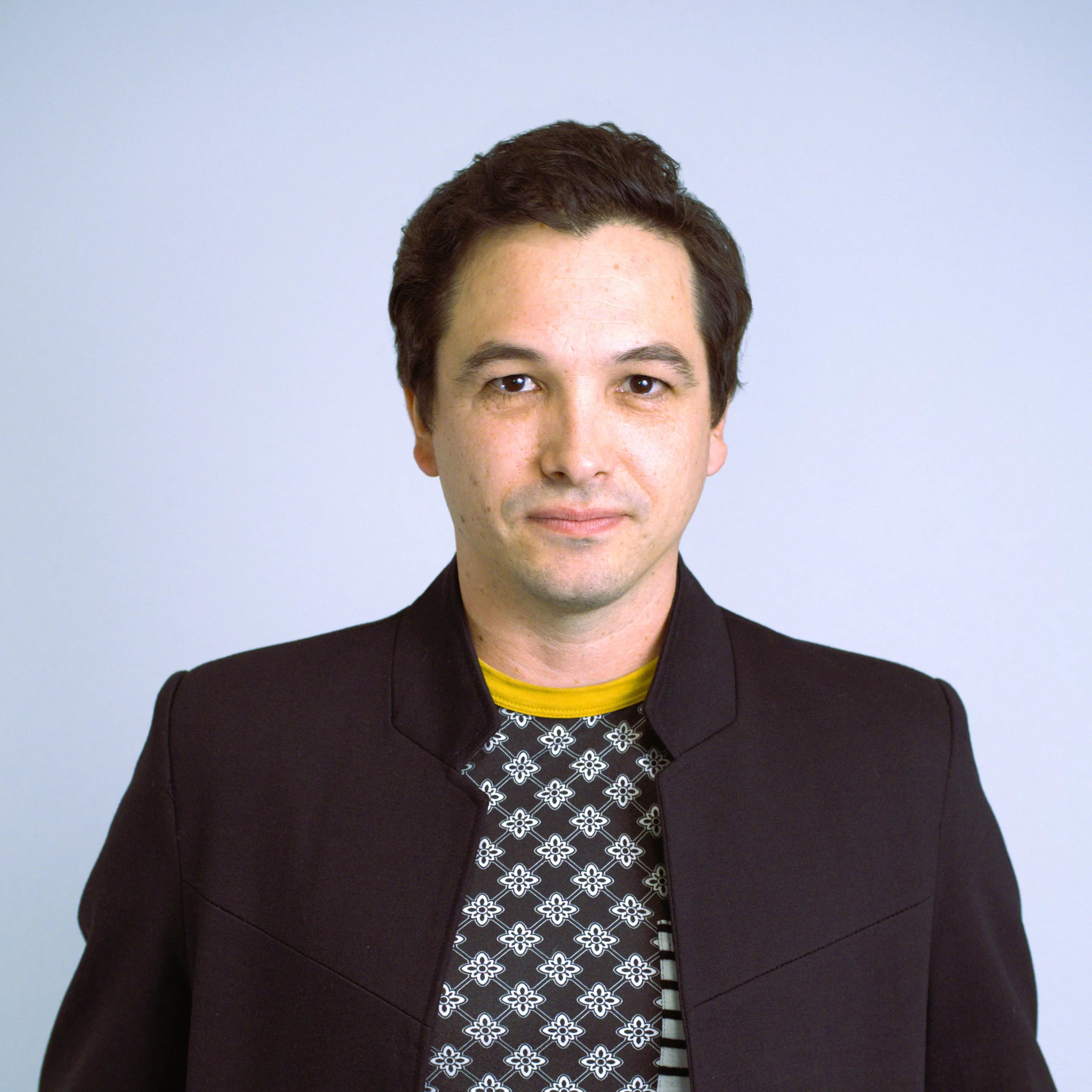
Seth Harrell graduated from the UH foresight program in 2020 and now works as a freelance consultant while also serving the APF as a board officer. He is now working to grow research into better understanding the emotional side of futures thinking and how they influence each other or what he calls Affective Foresight (borrowed from affective computing). He first presented at the APFxOCAD Nexus Event in Toronto (2025).